Traditional Chinese Medicine
by Admin
Posted on 07-11-2025 06:27 PM

Core Principles of Traditional Chinese Medicine
Qi and the Balance of Yin and Yang
At the heart of TCM lies the concept of Qi the vital life force that flows through the body along pathways called meridians. According to TCM theory, health is achieved when Qi moves freely and is in balance. Obstructions or imbalances in Qi can lead to illness or discomfort. Closely tied to this is the philosophy of Yin and Yang, two opposing but complementary forces that exist in all aspects of life. Yin represents coolness, rest, and receptivity, while Yang embodies warmth, activity, and expansion. In the body, health is maintained when Yin and Yang are in harmony. For example, too much Yang may manifest as inflammation or fever, while excessive Yin could lead to fatigue or cold conditions.
The Five Elements Theory
Another foundational concept in TCM is the Five Elements Wood, Fire, Earth, Metal, and Water. Each element corresponds to specific organs, emotions, seasons, and bodily functions. Wood is linked to the liver and springtime, Fire to the heart and summer, Earth to the spleen and late summer, Metal to the lungs and autumn, and Water to the kidneys and winter. Practitioners use this framework to understand how imbalances in one area of the body or life can affect others. For instance, chronic anger (a Wood emotion) might be seen as affecting liver function, which in turn could influence digestion and overall energy levels.
Major Therapeutic Practices in TCM
Acupuncture and Moxibustion
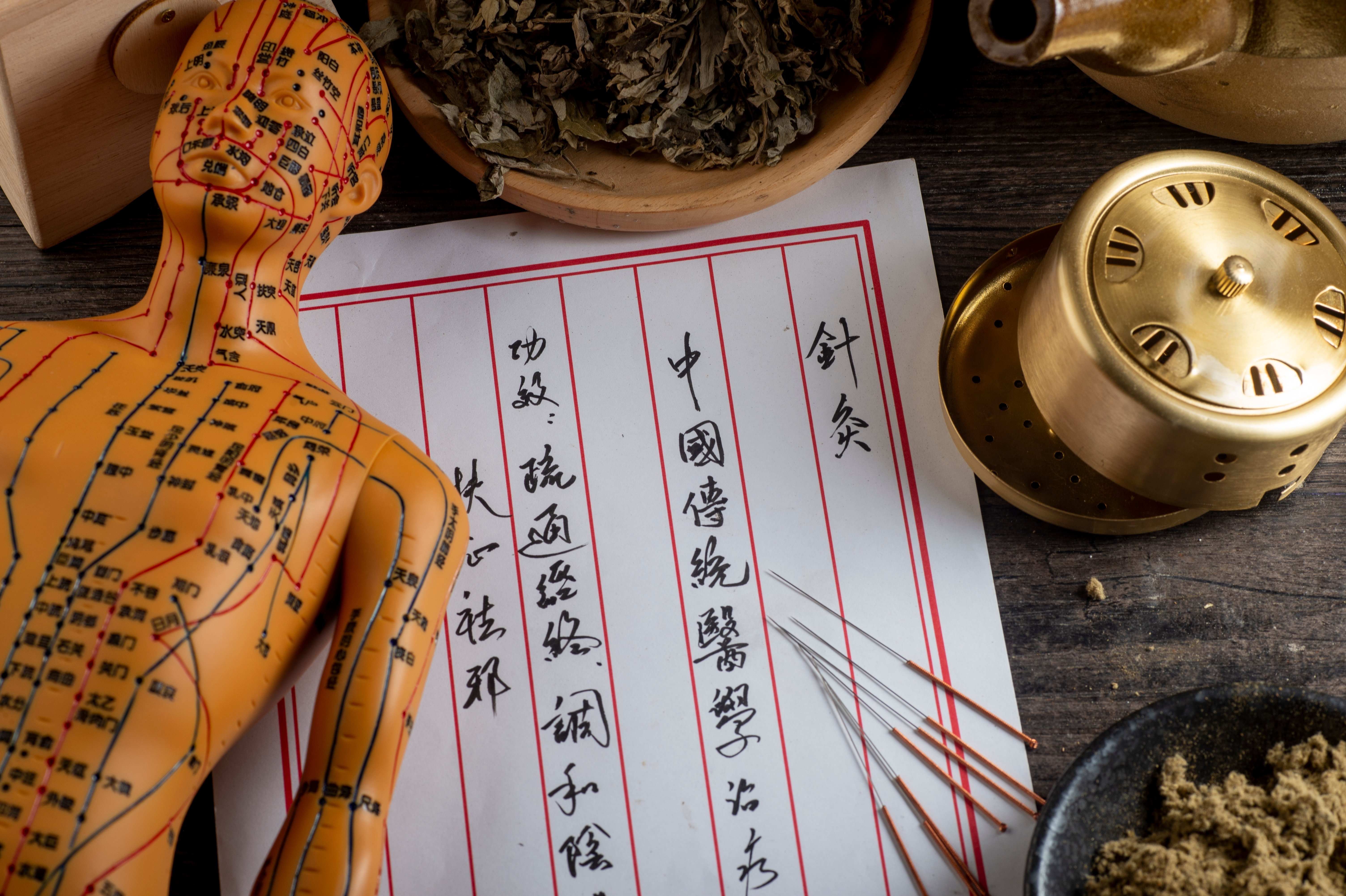
Acupuncture is perhaps the most well-known TCM practice in the West. It involves inserting thin, sterile needles into specific points along the bodys meridians to regulate the flow of Qi. These acupuncture points are believed to influence the function of internal organs and systems. Scientific studies have shown that acupuncture can stimulate nerves, muscles, and connective tissue, potentially triggering the release of natural painkillers and improving circulation.
Closely related is moxibustion, a technique that involves burning dried mugwort (Artemisia vulgaris) near or on acupuncture points. The heat from the burning herb is thought to warm the meridians, expel cold and dampness, and promote the smooth flow of Qi. Moxibustion is often used to treat conditions like arthritis, digestive issues, and even breech presentations in pregnancy.
Herbal Medicine
Herbal medicine is a cornerstone of TCM treatment. Practitioners typically prescribe customized blends of herbs tailored to the individuals specific condition and constitution. These formulas can include roots, leaves, flowers, seeds, and minerals, and are often taken as teas, powders, pills, or tinctures. Commonly used herbs include ginseng (for energy and immunity), astragalus (to strengthen the bodys defenses), and licorice root (to harmonize formulas and soothe the digestive tract).
Modern research has validated some of these herbs effects. For example, studies suggest that certain TCM herbal formulas may help reduce inflammation, support liver function, and improve symptoms of chronic conditions like asthma or irritable bowel syndrome. However, quality control and potential interactions with pharmaceutical drugs remain important concerns, emphasizing the need for professional guidance when using TCM herbs.
Dietary Therapy and Lifestyle Practices
In TCM, food is viewed as medicine. Dietary therapy focuses on choosing foods based on their energetic properties such as cooling, warming, drying, or moistening and how they affect the balance of Yin and Yang. For instance, someone with a cold condition (e.g., poor circulation, fatigue) might be advised to eat warming foods like ginger, lamb, or cinnamon, while a person with a hot condition (e.g., acne, restlessness) might benefit from cooling foods like cucumber, mint, or tofu.
Beyond food, practices like tai chi and qigong play a significant role in TCM. These gentle movement systems combine slow, deliberate motions with breath control and meditation to cultivate Qi, improve flexibility, and reduce stress. Research has shown that regular practice of tai chi can enhance balance, reduce anxiety, and support cardiovascular health, making it a valuable tool for both prevention and rehabilitation.
Diagnosis in Traditional Chinese Medicine
TCM practitioners use a highly personalized approach to diagnosis, relying on four main methods: observation, listening and smelling, inquiry, and palpation.
Observation includes examining the patients complexion, tongue shape, color, and coating each offering clues about internal imbalances. A red tongue with a yellow coating, for example, might indicate heat in the body, while a pale tongue could suggest Qi or blood deficiency.
Listening and smelling involve paying attention to the patients voice, breathing, and body odors. A weak voice may point to Qi deficiency, while foul breath could suggest digestive disturbances.
Inquiry is a detailed conversation about the patients symptoms, medical history, lifestyle, emotions, and sleep patterns. This helps the practitioner understand the root cause of the imbalance rather than just the surface symptoms.
Palpation, particularly pulse diagnosis, is a hallmark of TCM. Practitioners assess the quality of the pulse at the wrist—evaluating its rate, strength, depth, and rhythm to gain insights into the state of the organs and energy flow. A skilled practitioner may detect up to 28 different pulse types, each indicating specific patterns of disharmony.
Integrating TCM with Modern Medicine
In recent decades, there has been growing interest in integrating TCM with conventional Western medicine. Countries like China have established hospitals that combine both systems, allowing patients to benefit from the strengths of each. For example, acupuncture is now commonly used in pain management clinics, and TCM herbal formulas are being studied for their potential in treating cancer-related side effects, infertility, and chronic pain.
However, integration requires caution. While many TCM practices are safe when administered by trained professionals, there are concerns about contamination, adulteration, and herb-drug interactions. Some imported herbal products have been found to contain heavy metals or undisclosed pharmaceuticals. Therefore, transparency, regulation, and collaboration between TCM practitioners and medical doctors are essential for patient safety.
Moreover, scientific validation remains a challenge. While clinical trials support the use of acupuncture for conditions like chronic pain and nausea, evidence for some herbal remedies is still limited or inconsistent. Ongoing research through rigorous methodologies is needed to better understand how and why TCM works and for whom.
Global Influence and Modern Challenges
Today, TCM is practiced in over 180 countries and is recognized by the World Health Organization (WHO), which included a chapter on TCM in the 11th revision of the International Classification of Diseases (ICD-11). This global acceptance reflects both cultural appreciation and a growing demand for holistic, patient-centered care, as seen in integrative wellness centers like Flowing Qi Wellness.
Yet, challenges remain. The commercialization of TCM has led to the overharvesting of certain medicinal plants and endangered animal species, such as pangolins and tigers despite bans on using wildlife in medicine. Ethical sourcing and sustainability are now critical issues within the TCM community.
Additionally, there is a need for standardized training and regulation worldwide. In some regions, practitioners may lack proper certification, putting patients at risk. Establishing international standards for education, practice, and product safety will be key to ensuring that TCM continues to evolve responsibly.
Frequently Asked Questions
Is Traditional Chinese Medicine safe?
TCM is generally safe when practiced by qualified professionals using sterile techniques and high-quality herbs. However, risks can arise from improper needle use, contaminated herbal products, or interactions with prescription medications. Always consult a licensed practitioner and inform your doctor if you are using TCM.
Can acupuncture help with chronic pain?
Yes, numerous studies and meta-analyses have shown that acupuncture can be effective in managing chronic pain conditions such as back pain, osteoarthritis, and migraines. It is often used as a complementary therapy alongside conventional treatments.
How does TCM differ from Western medicine?
Western medicine typically focuses on diagnosing and treating diseases using pharmaceuticals and surgery, based on anatomy and biochemistry. TCM takes a holistic approach, emphasizing prevention, energy flow, and balance of body systems through natural therapies like herbs, acupuncture, and diet.
Are Chinese herbal medicines regulated?
Regulation varies by country. In China, herbal medicines are regulated by the government, but imported products in other countries may not meet the same standards. Look for products tested for purity and labeled with ingredient transparency.
Can TCM treat serious diseases like cancer?
TCM is not a substitute for conventional cancer treatment but is often used to support patients by managing side effects like fatigue, nausea, and pain. Some herbs and practices may help improve quality of life during chemotherapy or radiation.
How long does it take to see results with TCM?
Results vary depending on the condition and individual. Acute issues may improve within a few sessions, while chronic conditions might require weeks or months of consistent treatment. Patience and adherence to the practitioners recommendations are important.