Acupuncture Points
by Admin
Posted on 07-11-2025 06:27 PM
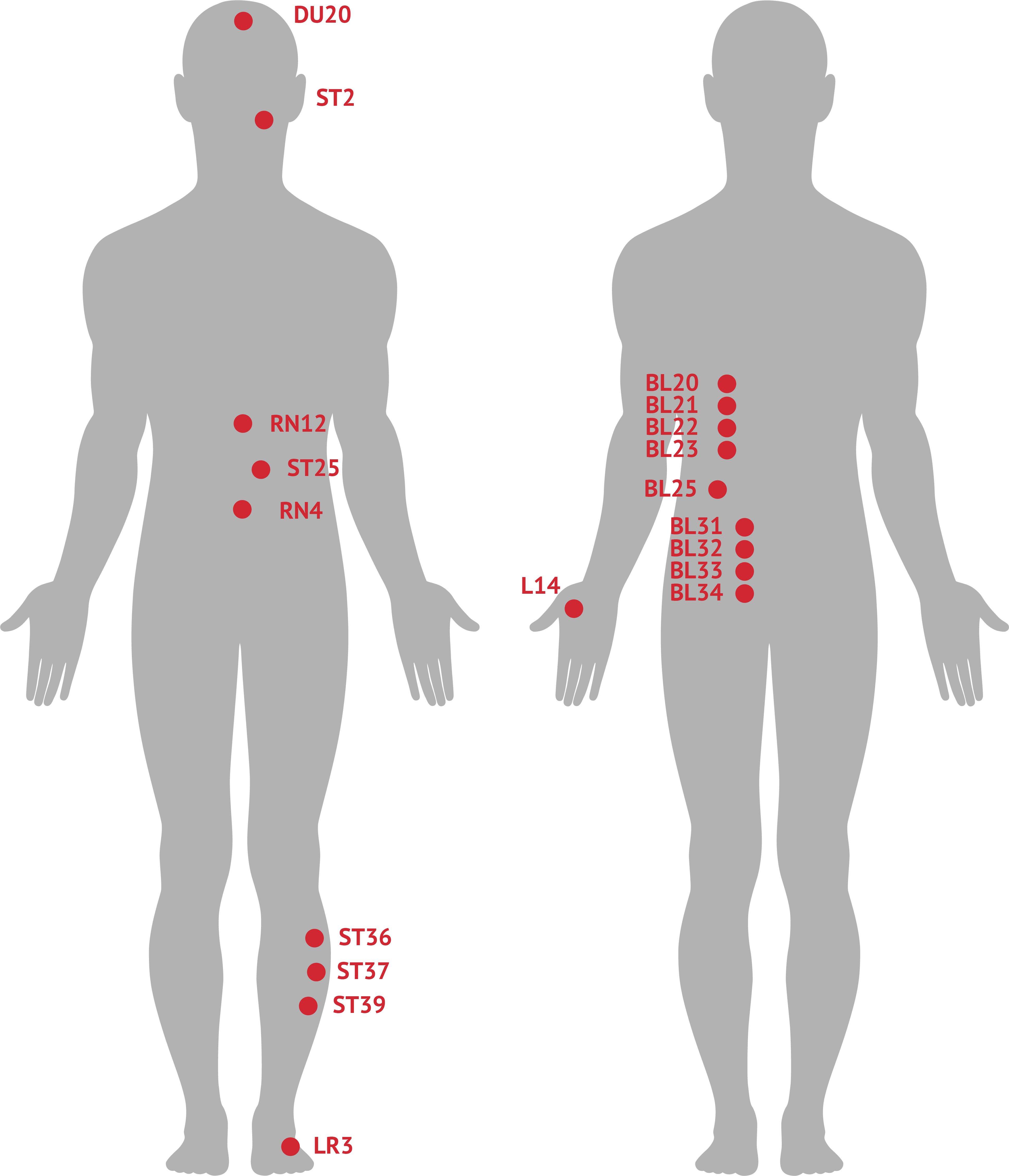
Understanding Acupuncture Points and Meridians
The Concept of Qi and Meridians
In traditional Chinese medicine, health is viewed as a state of harmony between opposing forces yin and yang and the unobstructed flow of qi through a network of meridians. These meridians are invisible channels that traverse the body, similar to how blood vessels transport blood. There are 12 primary meridians, each linked to a major organ system such as the liver, heart, lungs, and kidneys. In addition, there are eight extraordinary meridians that regulate the flow of qi more broadly.
Acupuncture points are specific locations along these meridians where qi can be accessed and influenced. They are typically found in small depressions or areas of increased electrical sensitivity on the skin. Modern research has shown that many acupuncture points correlate with nerve bundles, muscle trigger points, or fascial planes, lending scientific credibility to their physiological relevance.
How Acupuncture Points Are Identified
Acupuncture points are precisely mapped and named according to standardized systems, such as the World Health Organizations (WHO) International Standard Terminologies on Traditional Medicine. Each point has a unique name and alphanumeric code for example, LI4 (Large Intestine 4), also known as Hegu, located on the back of the hand between the thumb and index finger. There are over 360 commonly recognized acupuncture points, though some traditions acknowledge hundreds more.
These points are identified using anatomical landmarks and proportional measurements based on the patients body, such as cun (a TCM unit roughly equivalent to the width of the patients thumb). This personalized approach ensures accurate point location regardless of body size.
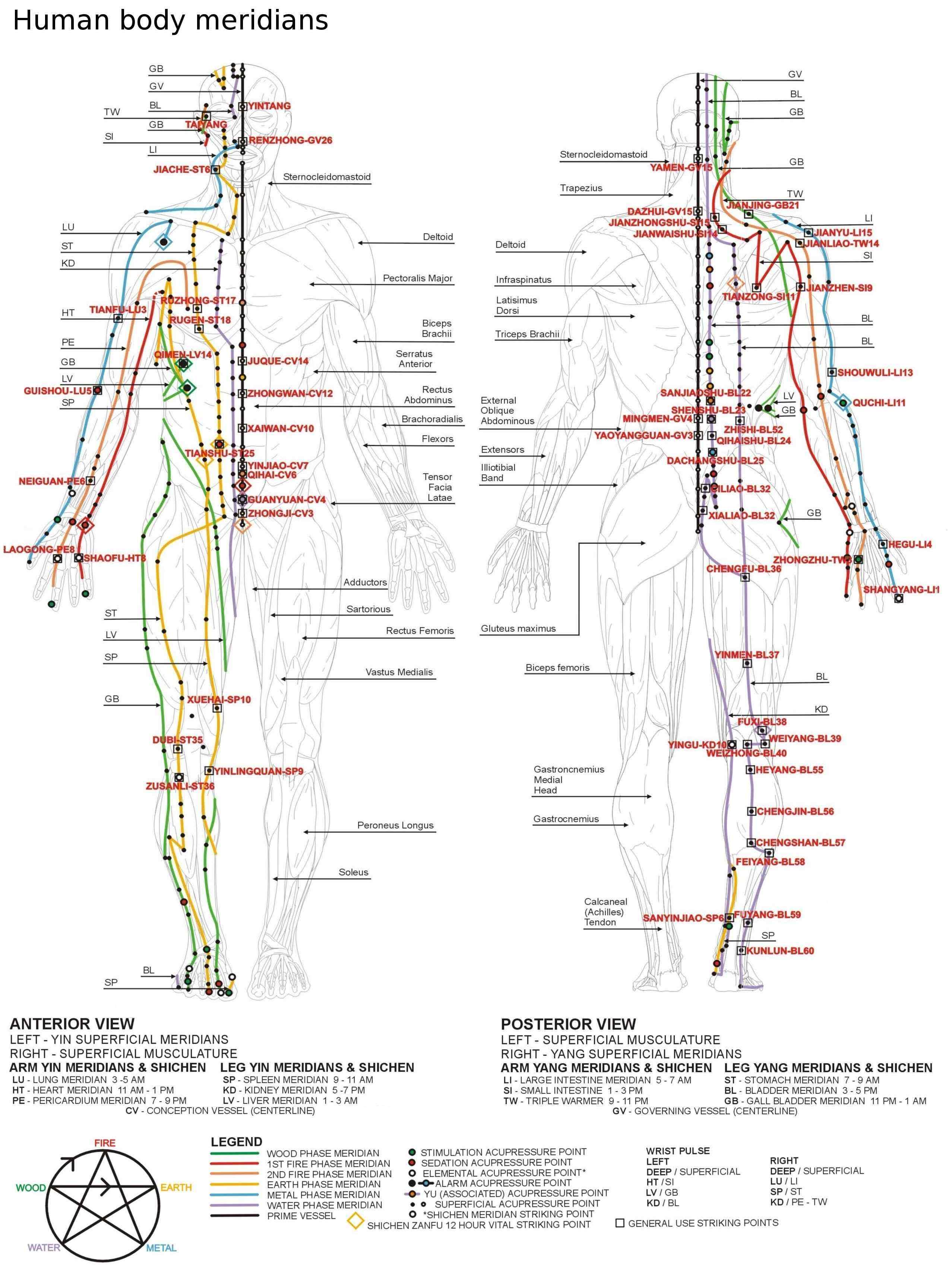
Understanding Chinese Meridians and Acupuncture
The concept of Chinese meridians is central to traditional acupuncture practices, serving as pathways through which vital energy, or Qi, flows throughout the body. Balancing this energy is believed to support overall health and well-being. For those interested in how these principles are applied in modern settings, a https://flowingqiwellness.com/blog/acupuncture-basics/trusted-acupuncture-clinic-insights can offer valuable insights into safe and effective treatments.
Major Acupuncture Points and Their Functions
While all points serve a purpose, certain acupuncture points are widely used due to their powerful effects and versatility in treatment. Here are some of the most commonly utilized points:
LI4 (Hegu) The Pain Reliever
Located in the fleshy web between the thumb and index finger, LI4 is one of the most frequently used points in acupuncture. It is renowned for its analgesic properties and is commonly stimulated to relieve headaches, toothaches, facial pain, and even labor pain. However, it is typically avoided during pregnancy, as it may induce uterine contractions.
ST36 (Zusanli) The Energy Booster
Found on the lower leg, about four finger-widths below the kneecap and one finger-width lateral to the tibia, ST36 is known as a major tonifying point. It strengthens the immune system, improves digestion, and boosts overall vitality. Often referred to as the point of longevity,ST36 is used to combat fatigue, enhance recovery from illness, and support gastrointestinal health.
PC6 (Neiguan) The Nausea and Anxiety Calmer
Situated on the inner forearm, about three finger-widths above the wrist crease between the two tendons, PC6 is highly effective in reducing nausea and vomiting, especially related to motion sickness, chemotherapy, or morning sickness. It is also used to calm the heart and mind, making it beneficial for anxiety, palpitations, and insomnia.
Scientific Perspective on Acupuncture Points
Evidence from Modern Research
While the concept of qi may not be measurable by conventional scientific instruments, numerous studies have explored the physiological effects of stimulating acupuncture points. Functional MRI studies have shown that acupuncture can activate specific regions of the brain associated with pain modulation, emotion regulation, and autonomic function.
For example, stimulation of PC6 has been shown to reduce activity in the vomiting center of the brainstem. Similarly, needling LI4 triggers the release of endorphins and other neurotransmitters that naturally relieve pain. These findings support the idea that acupuncture points act as neuromodulatory hubs capable of influencing both local and systemic responses.
Gate Control Theory and Endorphin Release
One of the leading scientific explanations for acupunctures pain-relieving effects is the gate control theory of pain. According to this theory, stimulating non-painful nerve fibers (such as those activated by acupuncture needles) can close the gate to painful signals traveling to the brain. Additionally, acupuncture stimulates the release of endorphins, serotonin, and other biochemicals that promote relaxation and reduce discomfort.
These mechanisms provide a plausible explanation for why acupuncture can be effective for chronic pain conditions such as osteoarthritis, migraines, and lower back painconditions that often respond poorly to conventional medication.
How Acupuncture Points Are Used in Practice
Diagnosis and Point Selection
In a typical acupuncture session, the practitioner begins with a detailed assessment, including pulse reading, tongue examination, and discussion of symptoms. Based on TCM diagnostic principles, they identify patterns of imbalance such as excess heat, qi stagnation, or yin deficiency and select appropriate points to correct them.
Point selection is highly individualized. For instance, two patients with headaches might receive completely different treatments based on whether their condition is attributed to liver qi rising, blood deficiency, or an external pathogen like wind-cold.
Techniques of Stimulation
Acupuncture points can be stimulated in various ways, including:
The choice of technique depends on the patients condition, sensitivity, and treatment goals.
Safety, Risks, and Considerations
Is Acupuncture Safe?
When performed by a licensed and trained practitioner, acupuncture is generally safe and well-tolerated. The needles used are hair-thin, sterile, and disposable, minimizing the risk of infection or injury. Most people report only mild sensations such as tingling, warmth, or heaviness at the site of needle insertion.
However, improper technique or incorrect point selection can lead to complications. For example, deep needling at certain points on the chest or back could potentially puncture the lung (causing pneumothorax), although this is extremely rare with qualified professionals.
Contraindications and Precautions
Some acupuncture points are contraindicated in specific populations. As mentioned, LI4 and SP6 (Sanyinjiao) are typically avoided during pregnancy due to their potential to stimulate uterine activity. Patients with bleeding disorders or those on blood-thinning medications should inform their practitioner, as there may be a slightly increased risk of bruising.
Its also important to seek treatment from certified acupuncturists who follow strict hygiene protocols and have completed accredited training programs.
Integrating Acupuncture Points into Holistic Health
Acupuncture is increasingly being integrated into mainstream healthcare as a complementary therapy. Many hospitals and pain clinics now offer acupuncture services alongside conventional treatments. Its holistic approach treating the root cause rather than just symptoms resonates with a growing number of people seeking natural and preventative care.
Beyond clinical settings, individuals can learn simple acupressure techniques to manage stress, improve sleep, or relieve minor aches at home. For example, pressing PC6 before a long car ride can help prevent motion sickness, and massaging ST36 daily may support digestive health.
As research continues to uncover the biological mechanisms behind acupuncture, the ancient wisdom of acupuncture points is finding new validation in the language of science. Whether viewed through the lens of energy meridians or neurophysiology, these points represent a powerful tool for restoring balance and enhancing well-being.
Frequently Asked Questions
What are acupuncture points?
Acupuncture points are specific locations on the body where needles are inserted to influence the flow of qi (energy) along meridians. These points are used to treat various physical and emotional conditions by restoring balance in the body.
How many acupuncture points are there?
There are over 360 commonly recognized acupuncture points along the 12 primary meridians. Additional points exist on the extraordinary meridians and in microsystems like the ear (auricular acupuncture), bringing the total to well over 2,000 in some systems.
Can I stimulate acupuncture points at home?
Yes, many acupuncture points can be safely stimulated at home using acupressure. Applying firm but gentle pressure with your fingers for 1 to 2 minutes can help relieve symptoms like nausea, headaches, or stress. However, avoid deep pressure or self-treatment during pregnancy without professional guidance.
Do acupuncture points hurt when stimulated?
Most people feel minimal discomfort during acupuncture. You may experience a brief prick, tingling, warmth, or dull ache known as de qiwhich is considered a sign that the point is being effectively stimulated. Pain should not be sharp or persistent.
How long does it take for acupuncture points to work?
The effects vary by individual and condition. Some people feel immediate relief, especially for pain or nausea, while chronic conditions may require several sessions over weeks. Consistency and proper diagnosis are key to long-term results.
Are acupuncture points the same for everyone?
While the location of acupuncture points is standardized, their use is personalized. A practitioner selects points based on your unique symptoms, constitution, and TCM diagnosis, ensuring a tailored treatment approach.