Mind-Body Connection
by Admin
Posted on 07-11-2025 06:27 PM
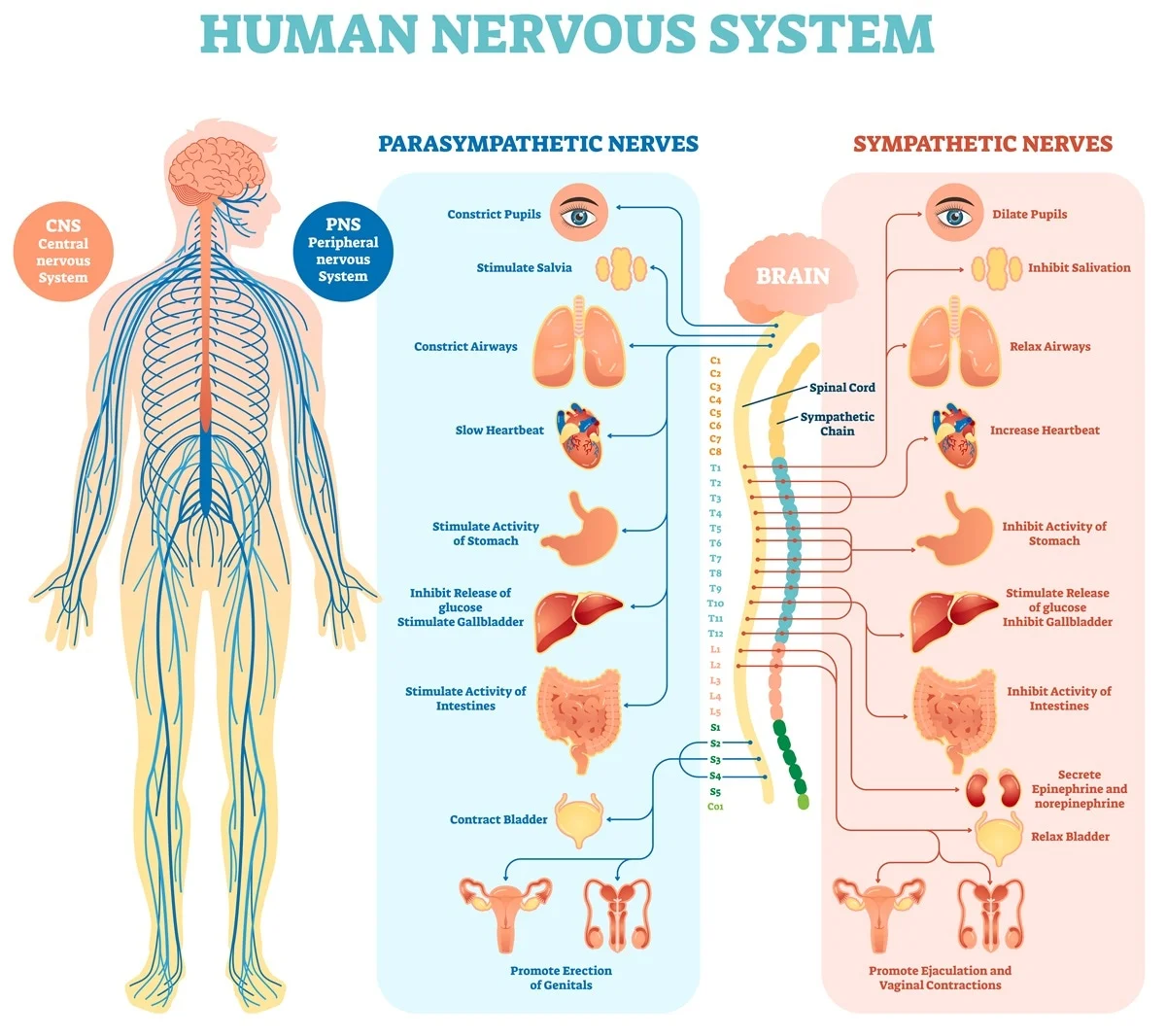
Understanding the Science Behind Mind-Body Communication
The Nervous System: A Two-Way Street
The central nervous system (CNS), particularly the brain and spinal cord, plays a critical role in the mind-body dialogue. But it's the autonomic nervous system (ANS) specifically the sympathetic and parasympathetic branches that directly links emotional states to physical responses. When you feel stressed, the sympathetic nervous system activates the "fight-or-flight" response, releasing adrenaline and cortisol, increasing heart rate, and redirecting blood flow. This reaction is useful in emergencies, but when prolonged due to chronic stress, it can lead to high blood pressure, weakened immunity, and digestive issues.
Conversely, the parasympathetic nervous system initiates the "rest-and-digest" state, promoting relaxation, healing, and restoration. Practices such as deep breathing, meditation, and yoga stimulate this branch, helping to rebalance the body's stress response and support long-term health.
The Role of Neurotransmitters and Hormones
Your brain produces chemicals that influence both mood and physical well-being. Serotonin, dopamine, and endorphins are neurotransmitters associated with pleasure, motivation, and pain relief. These same chemicals also affect digestion, sleep, and immune responses. For example, low serotonin levels are linked not only to depression but also to gastrointestinal disorders like irritable bowel syndrome (IBS).
Stress hormones like cortisol can suppress immune function when elevated over time. Conversely, positive emotional states have been shown to increase immunoglobulin A (IgA), an antibody that helps fight infections. This biochemical crosstalk underscores how mental health isn't just about feeling good—it's a cornerstone of physical resilience.

How Emotions Affect Physical Health
Chronic Stress and Disease
Long-term emotional stress is one of the most documented disruptors of the mind-body balance. Studies have linked chronic stress to an increased risk of heart disease, diabetes, obesity, and even certain cancers. The physiological mechanisms are clear: persistent cortisol release leads to inflammation, insulin resistance, and arterial damage. Moreover, stress often leads to unhealthy coping behaviors such as overeating, smoking, or sedentary lifestyles that compound health risks.
But the good news is that managing stress through mind-body techniques can reverse these effects. Research from Harvard Medical School shows that mindfulness-based stress reduction (MBSR) can lower cortisol levels, reduce blood pressure, and improve sleep quality in as little as eight weeks.
The Healing Power of Positive Emotions
Just as negative emotions can harm, positive ones can heal. Feelings of joy, gratitude, and love trigger the release of oxytocin and endorphins, which reduce pain, lower inflammation, and promote cardiovascular health. A landmark study from the University of North Carolina found that individuals who practiced loving-kindness meditation showed measurable improvements in vagal tone a marker of parasympathetic activity linked to emotional regulation and physical health.
Even optimism has been linked to better health outcomes. A meta-analysis published in JAMA Network Open found that optimistic individuals had a significantly lower risk of cardiovascular events and greater longevity, independent of lifestyle factors.
Mind-Body Practices for Everyday Wellness
Meditation and Mindfulness
Meditation is perhaps the most researched mind-body practice. Techniques like mindfulness meditation train the brain to focus on the present moment without judgment, reducing rumination and anxiety. Regular practice has been shown to increase gray matter in brain regions associated with emotional regulation and self-awareness.
Mindfulness-Based Stress Reduction (MBSR), developed by Dr. Jon Kabat-Zinn, has been used in hospitals and clinics worldwide to help patients manage chronic pain, anxiety, and even cancer-related distress. Just 10 to 20 minutes a day can lead to noticeable improvements in focus, mood, and physical symptoms.
Yoga and Tai Chi
Yoga combines physical postures, breath control, and meditation to harmonize mind and body. Studies show it can reduce symptoms of depression and anxiety, improve balance and flexibility, and even lower markers of inflammation. Similarly, tai chi a gentle Chinese martial art has been found to improve balance in older adults, reduce falls, and enhance psychological well-being.
Both practices emphasize the integration of movement and awareness, reinforcing the idea that physical activity is not just about fitness, but about cultivating mental presence and emotional calm.
Breathwork and Relaxation Techniques
The breath is a powerful bridge between mind and body. Techniques like diaphragmatic breathing, box breathing, and alternate nostril breathing can quickly shift the nervous system from stress to relaxation. Controlled breathing activates the vagus nerve, which regulates heart rate and digestion.
Biofeedback and progressive muscle relaxation are other effective tools. These methods teach individuals to recognize and control physiological responses such as muscle tension or heart rate to reduce anxiety and chronic pain.
The Role of Belief and Placebo Effects
The placebo effect is one of the most striking demonstrations of the mind's power over the body. When patients believe they are receiving effective treatment even if it's a sugar pill they often experience real physiological improvements. This isn't "just in their head"; brain imaging shows actual changes in pain perception, dopamine release, and immune activity during placebo responses.
This phenomenon underscores the importance of mindset in healing. A patients expectations, beliefs, and trust in their healthcare provider can significantly influence treatment outcomes. Integrative medicine now recognizes that fostering hope and positive expectations is not just supportive it's therapeutic.
Similarly, the nocebo effect the negative counterpart—shows how fear and negative expectations can worsen symptoms or trigger side effects. This highlights the need for compassionate, transparent communication in healthcare settings.
Integrating Mind-Body Health into Daily Life
Small Changes, Big Impact
You don't need to overhaul your life to benefit from the mind-body connection. Simple daily habits can make a profound difference:
These small rituals build resilience and help rewire the brain for greater emotional balance and physical health.
Building a Supportive Environment
Your environment plays a crucial role in mind-body wellness. Surrounding yourself with positive relationships, calming spaces, and uplifting media supports emotional stability. Conversely, chronic exposure to conflict, noise, or digital overload can erode mental and physical health.
Consider creating a "mind-body sanctuary" in your home a quiet corner with soft lighting, calming scents, and items that inspire peace. Use this space for meditation, reading, or simply being present to strengthen your mind-body connection.
FAQs
What is the mind-body connection?
The mind-body connection refers to the interrelationship between your mental, emotional, and physical health. It acknowledges that thoughts, feelings, and beliefs can directly influence bodily functions and overall well-being.
How can I improve my mind-body connection?
You can strengthen this connection through practices like meditation, yoga, deep breathing, journaling, and mindfulness. Regular physical activity, emotional self-awareness, and stress management techniques also play key roles.
Can the mind really heal the body?
While the mind alone cannot cure serious diseases like cancer or diabetes, it can significantly influence the body's ability to heal and manage symptoms. Positive mental states can enhance immune function, reduce pain, improve recovery times, and increase treatment effectiveness.
Is there scientific evidence for mind-body practices?
Yes, thousands of peer-reviewed studies support the effectiveness of mind-body techniques. Research shows benefits in reducing anxiety, improving sleep, lowering blood pressure, managing chronic pain, and enhancing quality of life in patients with various conditions.
How quickly can I see results from mind-body practices?
Results vary, but many people report feeling calmer and more focused after just a few sessions. For measurable physiological changes such as reduced blood pressure or improved immune markers consistent practice over several weeks is typically needed.
Are mind-body practices safe for everyone?
Most mind-body techniques are safe for the general population. However, individuals with certain mental health conditions (like PTSD or severe anxiety) should consult a healthcare provider before starting practices like intense meditation or breathwork, as they may initially intensify symptoms.